
It’s probably wise to avoid alcohol and warfarin until approved by your doctor. But in people who drink heavily, there can be a rebound effect in which the bleeding risk increases, even after they’ve stopped drinking. Exceeding the recommended guidelines above is considered heavy drinking. Heads up that some of these “don’ts” don’t apply if you’re on one of the newer blood thinners, like Rivaroxaban (Xarelto®) or Apixaban (Eliquis®). So, it’s important to check with your healthcare provider to make sure you’re taking the appropriate precautions. Regardless of the specific blood thinner, avoiding alcohol is generally the safest approach.
Someone using alcohol while taking Brilinta should speak with their doctor about the risks that are specific to their situation. The effects of Xarelto can be affected by alcohol, and those taking the medication should limit the amount of alcohol used. While some alcohol may be safe, specific situations should be discussed with a doctor. It’s not recommended that you start drinking alcohol if you don’t normally. Having the restraint to consume only moderate amounts of alcohol may be challenging for some individuals.
Does Alcohol Have Blood-Thinning Effects?
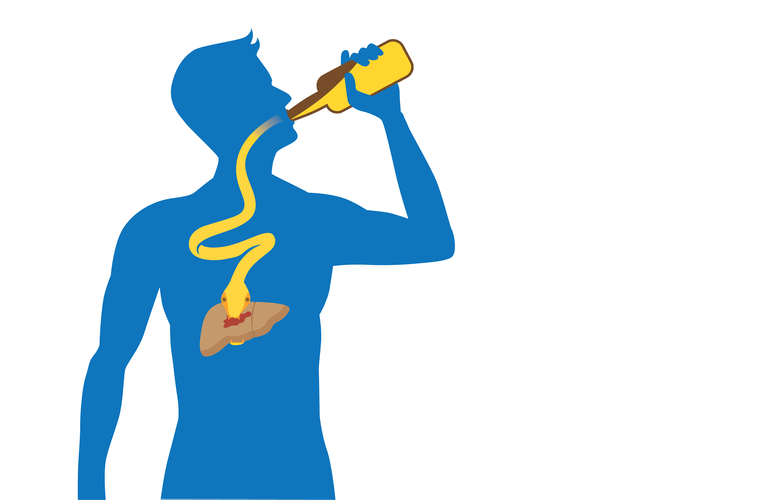
Always disclose your alcohol consumption to your healthcare provider. Ask your doctor if it’s safe for you to drink alcohol while taking blood thinners. Both alcohol and blood thinners like warfarin (Coumadin) thin your blood. Taking both together could compound the anticoagulant effect and increase your risk of bleeding. It is important to discuss alcohol consumption with a healthcare provider.
What is blood alcohol level after 2 glasses of wine?

Because it relies on kidney function for excretion, any factor that stresses the kidneys (such as dehydration from alcohol) may affect drug levels in the body. Patients should discuss safe consumption levels (if any) with their doctor. Alcohol can elevate the chance of gastrointestinal bleeding, and chronic use may strain the liver, potentially altering drug metabolism. Occasional, moderate consumption might be permissible under careful medical advice, but any signs of unusual bruising or bleeding should be reported to a healthcare provider immediately. Ultimately, the idea that alcohol can be “good for your heart” is a contentious topic.
How does alcohol affect blood thinners?

While newer Twelve-step program direct oral anticoagulants (DOACs) might have fewer direct metabolic interactions, alcohol still increases bleeding risk. Signs of internal bleeding include unusual bruising, blood in urine or stools (black or tarry), severe headaches, dizziness, or weakness. While moderate alcohol consumption may not be strictly prohibited, it is essential to understand the potential risks involved.
Does alcohol dissolve blood clots?
This article explains the safety and effects of drinking alcohol while using blood thinners. XARELTO® can cause bleeding which can be serious and may lead to death. This is because XARELTO® is a blood thinner medicine (anticoagulant) that lowers blood clotting. During treatment with XARELTO® you are likely to bruise more easily, and it may take longer for bleeding to stop. Alcohol acts as a blood thinner too, which makes the combination Xarelto + Alcohol even more dangerous.
- An average woman weighing 160lbs would expect to reach a peak BAC of 0.07%.
- Blood thinners inhibit clotting factors or prevent platelets from clumping, reducing the blood’s ability to form clots.
- If you’re prescribed blood thinners, making informed decisions about alcohol consumption can help maintain both your safety and your overall health.
- Alcohol affects how well your blood clots, potentially negating the effects of the blood thinners or increasing them to a dangerous level.
- Heavy or chronic intake can lead to thrombocytopenia (decreased platelet count), further impairing clotting.
- A 2013 study of almost 60,000 people found no difference in the risk of blood clots between wine or beer drinkers.
- If you’re taking blood thinners, it’s natural to have questions about what’s safe—especially when it comes to alcohol.
Alcohol and blood thinners interact in different ways that will vary for each individual. This makes it hard to predict exactly what will happen, but it increases the risk of either bleeding or clot-related problems. Alcohol can also increase the risk of injuries, which can bleed more easily while someone is on blood thinners.
- He is a Fellow of the American College of Cardiology (FACC) and American board-certified in general cardiology, echocardiography, and stress-testing, and nuclear cardiology.
- The following herbal supplements may affect the INR, causing it to be too high or too low.
- Alcohol can increase bleeding risk by irritating the gastrointestinal tract, making it more susceptible to hemorrhage.
Alcohol Withdrawal Symptoms: Detox, Timeline & Treatment
They can also allow your body to absorb how much alcohol can you drink while on blood thinners the clot through the walls of your veins over time. Blood thinners are broadly categorized into anticoagulants and antiplatelets. Anticoagulants affect the chemical steps leading to clot formation, while antiplatelets prevent platelets from clustering into clots. Despite these differences, both types of medications pose significant risks when combined with alcohol.
What is generic medication?
A 2011 literature review that included 84 prior research studies found that people who drank alcohol had a reduced number of cardiovascular and stroke deaths. Researchers also found decreased rates of coronary artery disease (CAD) and non-fatal stroke among people who drank alcohol compared to those who didn’t. An average man weighing 180lbs who has two 5 ounce glasses of wine would expect to reach a peak BAC of only 0.05%. An average woman weighing 160lbs would expect to reach a peak BAC of 0.07%. Although these fruits and their juices are not high in vitamin K, they can affect how warfarin works in other ways.
Your healthcare provider will consider factors such as your overall health, the specific blood thinner you are taking, and any other medications or conditions you may have. They will weigh the potential benefits and risks and provide you with personalized guidance to help you make an informed decision. Alcohol, in low to moderate amounts, thins the blood, reducing the risk of clots. But moderation is key – and doctors don’t recommend drinking alcohol to protect against DVT. The relationship between alcohol and deep vein thrombosis may depend on what, and how much, you pour in your glass. Yes, drinking alcohol can thin your blood because it prevents blood cells from sticking together and forming blood clots.
No responses yet